




November 13, 2026
Faux slate wall panel Bangladesh buying guide for homes and shops
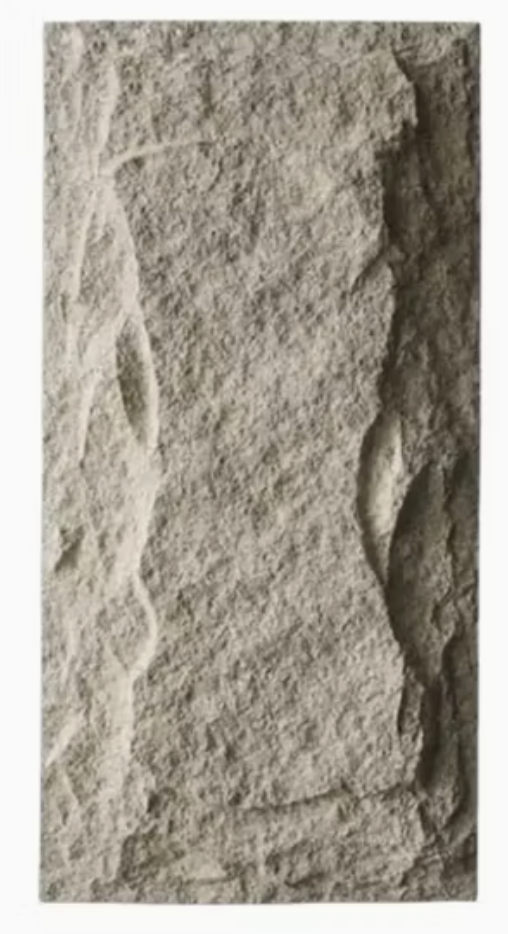
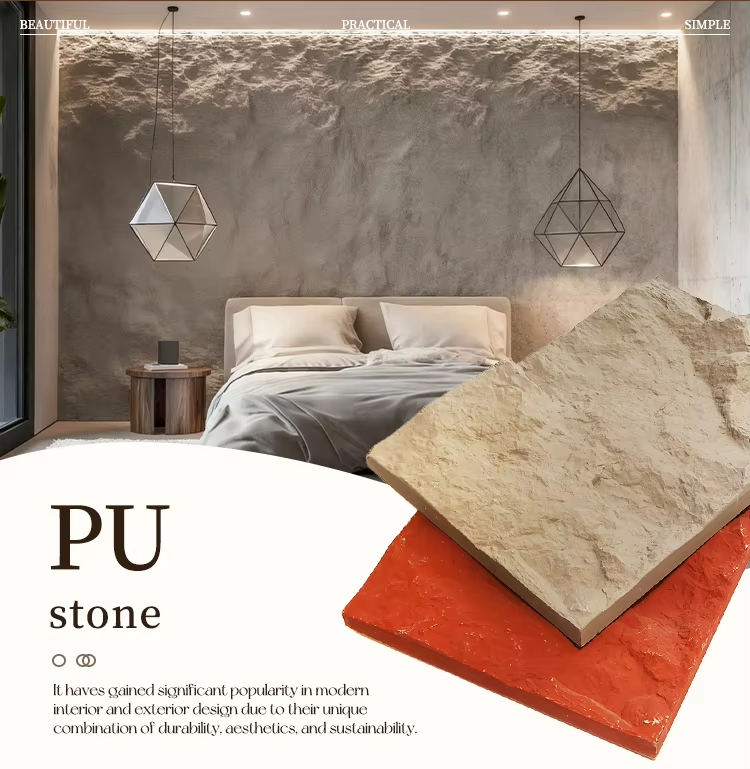
Is a faux slate PU wall panel right for your next feature wall, TV backdrop or retail fit-out? This faux slate wall panel Bangladesh buying guide explains what to expect from polyurethane (PU) stone panels, how to plan and install 600 × 1200 mm modules, and the practical checks Bangladesh buyers should make before work begins. If you want to see the exact product discussed here, check the 3D Textured Faux Slate PU Wall Panel (600 × 1200 mm) on Best Interior Store.
Why choose PU faux slate instead of real stone or tile
Polyurethane stone panels offer a realistic textured look with much lower weight than real slate. That reduces handling, transport cost and the need for heavy-duty anchors on walls. PU panels are typically easier to cut onsite and faster to fit than masonry tiles or natural stone cladding, making them attractive for fast renovations and commercial fit-outs.
Trade-offs include lower thermal mass and different fire behaviour than natural stone. Always check a supplier’s fire classification and installation recommendations if the panel will be used near cooking appliances, heaters or commercial kitchens. For general references on installation and properties of decorative wall panels see manufacturer installation guides and retailer FAQ pages linked in Sources.
How to measure and plan a 600 × 1200 mm panel feature wall
Simple steps to calculate quantities and layout:
- Measure wall width and height in millimetres. Example: 3,600 mm × 2,400 mm.
- Divide wall width by panel width (1,200 mm) and height by panel height (600 mm) to get full panels: 3,600/1,200 = 3 across; 2,400/600 = 4 high → 12 full panels.
- Plan for cuts at edges: order an extra allowance of 5–10% for waste and mistakes (one or two extra panels for small projects; more for complex walls).
- Decide vertical vs horizontal layout and staggering pattern: staggered joints look more natural and hide small measurement errors.

Acceptable substrates and surface preparation in Bangladesh
PU panels bond best to flat, dry, stable surfaces: level plaster, painted masonry, plywood or cement board. Before fixing:
- Repair loose plaster and treat rising damp. Panels will conceal imperfections but adhesive requires a sound surface.
- Check for moisture during monsoon season — allow walls to dry or use a suitable damp barrier before installing.
- For weak or uneven walls fit a plywood backer or timber battens to create a secure mounting plane.
Adhesives, fixings and essential tools
Use a high-quality construction adhesive rated for foam/PU or a recommended panel adhesive. Apply adhesive in continuous beads around the panel perimeter and additional vertical beads in the centre to prevent gaps. Mechanical fixings (screws into batten or masonry anchors) are recommended for the first row while adhesive cures or for high ceilings.
Essential tools: level, tape measure, caulk gun, fine-tooth saw or utility knife for small cuts, sanding block, and safety gear. Manufacturer guides linked in Sources show typical bead patterns and curing times.

Cutting, joints and finishing details
For straight cuts on PU panels you can score-and-snap small pieces or use a fine-tooth circular saw blade for larger, cleaner cuts; always clamp and cut slowly to avoid chipping. For openings (sockets, switches) cut panels slightly oversize and trim to fit tight around electrical boxes; follow electrical safety rules and switch off power when working.
Joints can be left tight for a seamless look or finished with a colour-matched flexible sealant where moisture resistance is required. Internal and external corner profiles (preformed or mitred panels) give a neater finish—ask your supplier about corner pieces or on-site mitre cutting.
Fire, heat and unsuitable locations
Although many PU panels are treated for improved fire performance, material behaviour varies. Do not install panels directly behind open flames, grills or immediate hob zones without checking the product’s fire rating and local building code requirements. For kitchens and high-heat commercial areas consider non-combustible cladding or an appropriate fire-rated barrier behind the panel.
Cleaning and long-term care in Bangladesh climate
Routine maintenance is straightforward: dust or vacuum the textured surface, then wipe with a soft cloth and mild soapy water. Avoid strong solvents or abrasive cleaners which can damage the finish. In humid months ensure good ventilation and keep substrate dry to prevent mould growth behind panels. For wet areas (backsplash or shower) confirm with the manufacturer whether the panel and joints are suitable for direct water exposure.

Labour, timing and cost factors
A small feature wall (8–12 panels) can take a single experienced installer a day or two, depending on prep work. Labour complexity rises with many cutouts, corners, or when a backer board is required. For accurate costs, get on-site quotes and measurements from local fitters; that avoids under-estimating transport and preparation work in Dhaka traffic.
Quick project checklist and transport tips for Bangladesh buyers
- Measure the wall and calculate panels + 5–10% waste allowance.
- Inspect delivery for damage before signing and store panels flat in a dry place.
- Arrange a plywood backer or battens if your wall is uneven.
- Use an experienced installer for high walls or complex cuts; keep adhesive and sealant ready on site.
- For transport in Dhaka, choose a covered van and secure panels flat to avoid bending during long traffic delays.
FAQ
Can I use these panels in kitchens or bathrooms? Check the product’s water-resistance and manufacturer advice; panels are often water-resistant but joints and substrate must be sealed for wet areas.
Are PU panels termite-proof and fire-retardant? Many suppliers treat panels for termite resistance and improved fire performance; always verify the specific product claims and any certificates before purchase.
Can damaged panels be repaired? Small surface damage can sometimes be filled and colour-touched; larger damage usually requires replacing the affected panel.
Related reading on Best Interior Store
- PS fluted wall panel Bangladesh buying guide — compare materials and finishes for feature walls.
- Merino HPL sheet Bangladesh buying guide for cabinets and panels — alternatives for moisture-prone areas.
বাংলায় সংক্ষেপে
600×1200 মিমি প্যানেল মাপ নিয়ে নিন, এবং সবসময় ৫–১০% ওয়েস্ট যোগ করুন। পৃষ্ঠটি শুকনো, সমান ও শক্ত হলে প্লাস্টার/সিমেন্ট বোর্ড বা প্লাই ব্যাকারের ওপর ঠিকঠাক বসে। উচ্চ-গ্র্যাব কনস্ট্রাকশন অ্যাডহেসিভ ব্যবহার করুন এবং কনট্রাক্টর থাকলে প্রথম সারির জন্য মেকানিক্যাল ফিক্সিং ব্যবহার করুন। সফট ক্লীনার দিয়ে নিয়মিত পরিষ্কার করুন এবং সরাসরি আঁচ বা গ্রিলের কাছে ইনস্টল করবেন না।
Sources
- Manufacturer installation tips for faux stone panels
- Self-adhesive wall panel installation guidance
- Faux stone panel FAQ and maintenance
- Fabrication and cutting guidelines for composite panels
Product reference:View the selected product page.