





August 2, 2026
How to Choose Edge Banding Tape: Thickness, Types and the Mistakes That Ruin Cabinets
How to choose edge banding is the last question most people ask about a new kitchen, and that is exactly why so many cabinets swell within two years. The board face gets all the attention, so the raw edge gets whatever the carpenter has left in his bag. However, that thin strip is the part your fingers, your mop water and your cooking steam actually touch every single day.
Because a good strip costs only a few taka per running foot, this is the cheapest insurance in the whole job. Meanwhile, a swollen shutter means a full replacement. So spend five minutes here before you approve the material list.
What an Edge Band Actually Protects
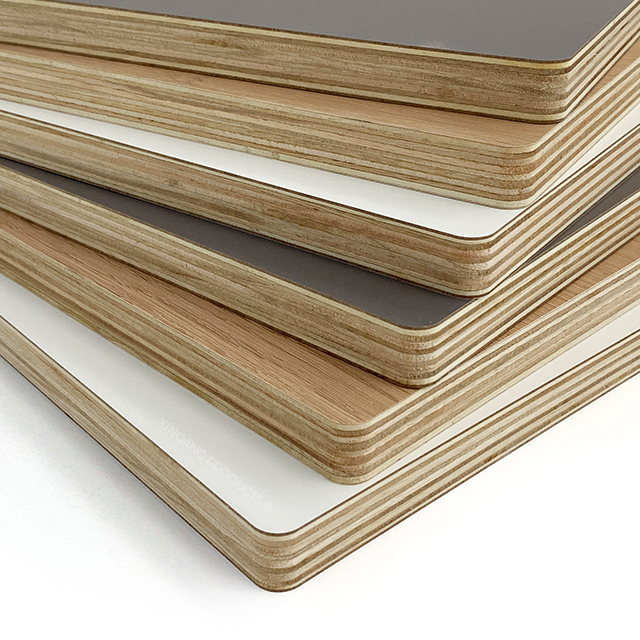
MDF, particle board and plywood are all layered materials. Therefore, a cut edge is basically exposed fibre and glue, waiting to drink up any moisture that reaches it. Water travels into that open edge far faster than it travels through a laminated face.
An edge band seals that cut line. As a result, the shutter keeps its shape, the corner stays sharp, and nobody gets a splinter from a bare board. In short, the band is protection first and decoration second.
How to Choose Edge Banding by Material
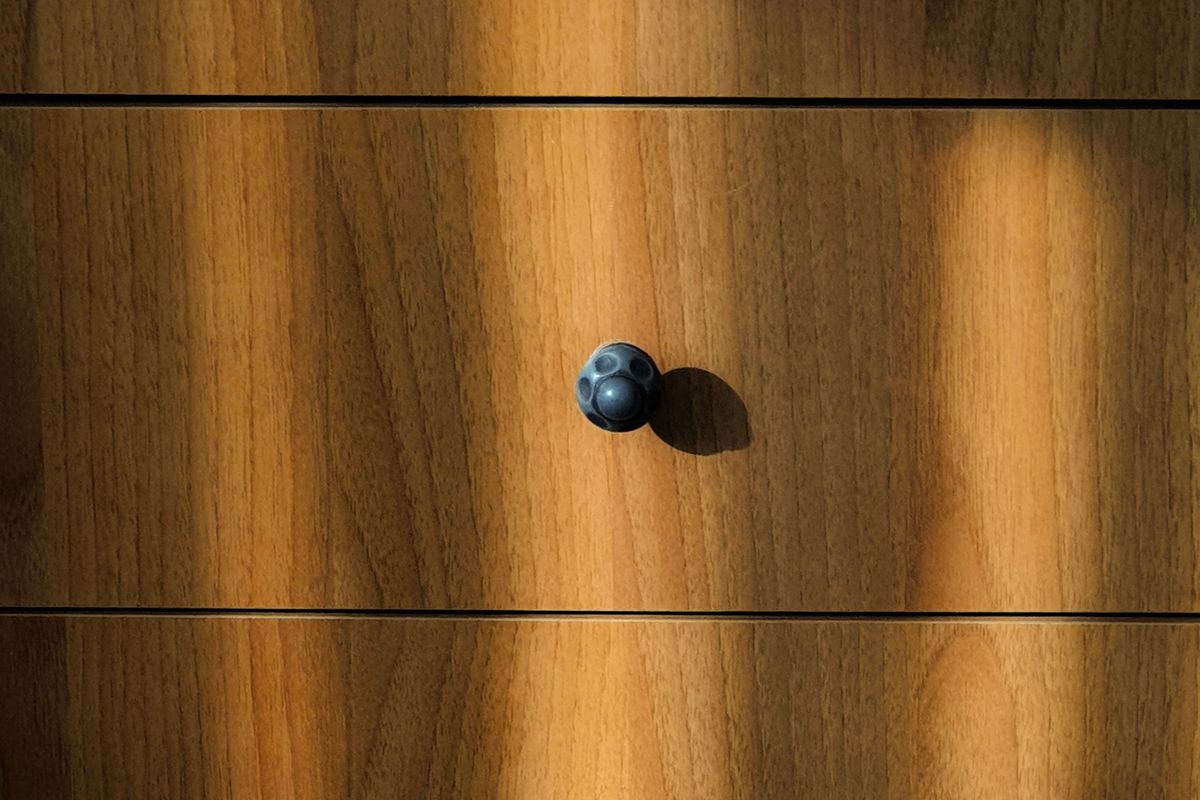
Four material families cover almost every job in Bangladesh. In practice, how to choose edge banding material comes down to one question: how much abuse will this edge take? Above all, match the answer to the room, not to the price list.
PVC — the default for kitchens and wardrobes
PVC stays slightly flexible, so it survives knocks without cracking. Plus it resists water, oil and mild heat, which is why it dominates kitchen work. For everyday cabinets, this is the safe answer.
ABS — when you want a greener option
ABS behaves much like PVC but contains no chlorine, so it burns cleaner and suits projects with environmental requirements. By comparison, it usually costs a little more and comes in fewer decors locally.
Acrylic 3D — for glossy, high-end fronts
Acrylic bands carry a clear top layer that gives real depth to gloss finishes. Naturally, they look best on wardrobe shutters and TV units, where hands touch the face rather than the edge.
Melamine and paper — budget only
Paper-based bands are thin, cheap and easy to apply. Yet they chip at the first trolley bump and swell when water sits on them. Consequently, keep them for the back of a wardrobe or a low-use study table.
Thickness: The Number Most Buyers Get Wrong
Edge banding comes in roughly 0.4 mm, 0.8 mm, 1.0 mm and 2.0 mm thicknesses. First of all, remember that thickness decides impact resistance, not looks. So when people ask how to choose edge banding for a busy kitchen, this single number matters more than the decor.
- 0.4 mm — hidden edges, cabinet interiors and shelf backs, because nothing hits them
- 0.8 mm — general shutters and side panels, so most residential work lands here
- 1.0 mm — kitchen shutters and drawer fronts that open a hundred times a week
- 2.0 mm — countertop fronts, office desks and shop fitouts, since these take real abuse
In practice, a 0.4 mm strip on a kitchen shutter will lift at a corner within a year. That is why the small extra cost of 1.0 mm pays for itself immediately.
How to Choose Edge Banding Width for Your Board
Width should always run slightly wider than the board. For example, an 18 mm board wants a 22 mm band, and a 25 mm board wants a 28 mm band. Afterwards the carpenter trims the overhang flush with a router or a hand trimmer.
On the other hand, a band cut exactly to board thickness leaves a hairline of raw fibre along one side. Water finds that line. Therefore, order the wider size and let the trimmer do its job.
Pre-Glued Tape or Hot-Melt Glue?
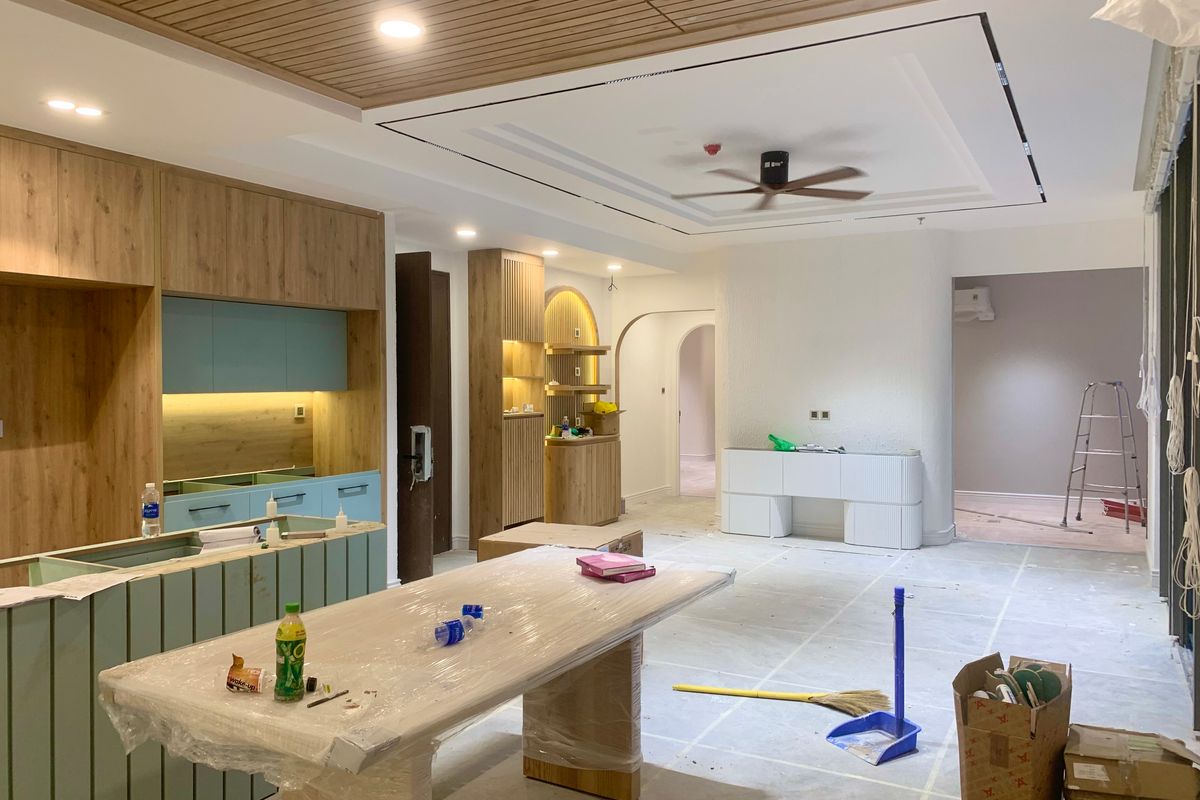
Self-adhesive rolls carry glue on the back, so a household iron or a heat gun activates them in seconds. Accordingly, they suit repairs, small furniture and anyone working without a workshop.
Hot-melt glue applied by an edge bander gives a stronger, longer-lasting bond. However, that machine sits in a factory, not in your flat. In other words, choose pre-glued self-adhesive banding tape for site work and machine banding for factory-made units.
Colour Matching Mistakes That Cheapen a Good Cabinet
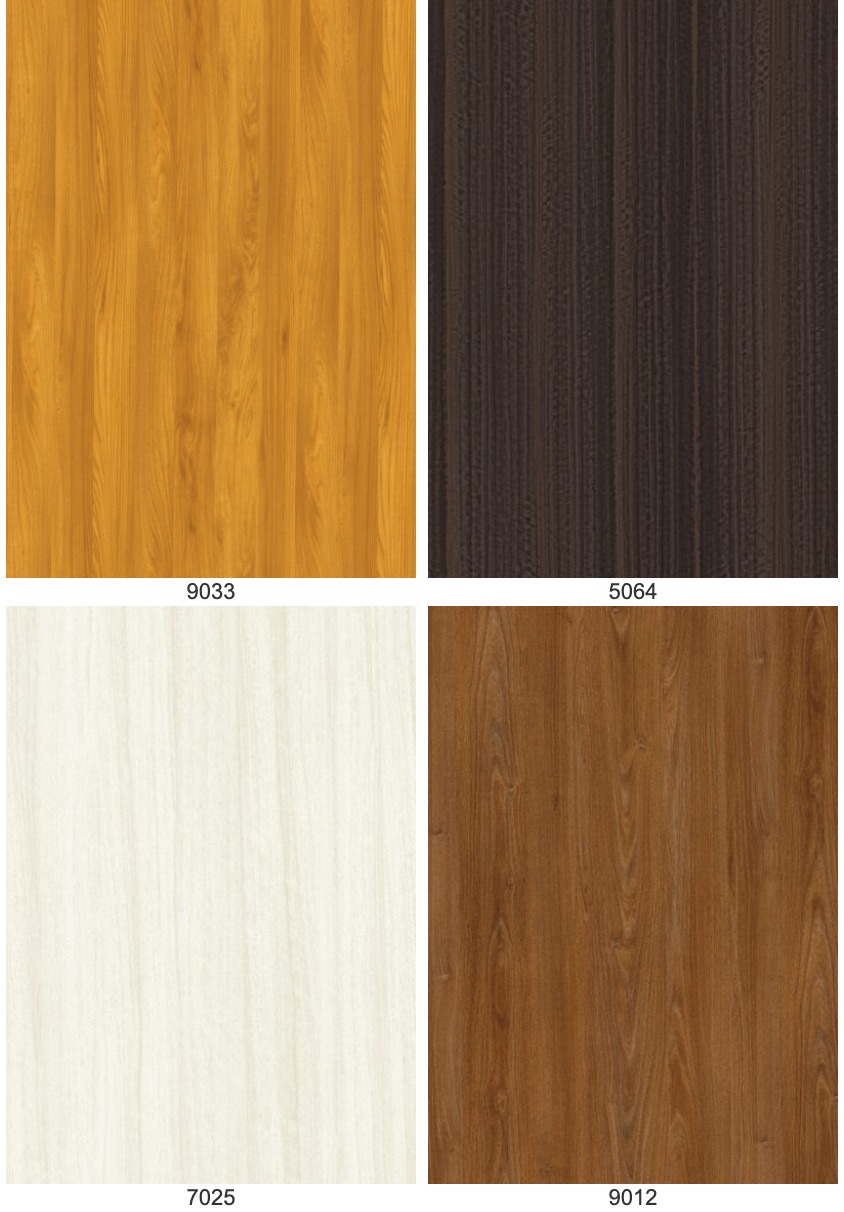
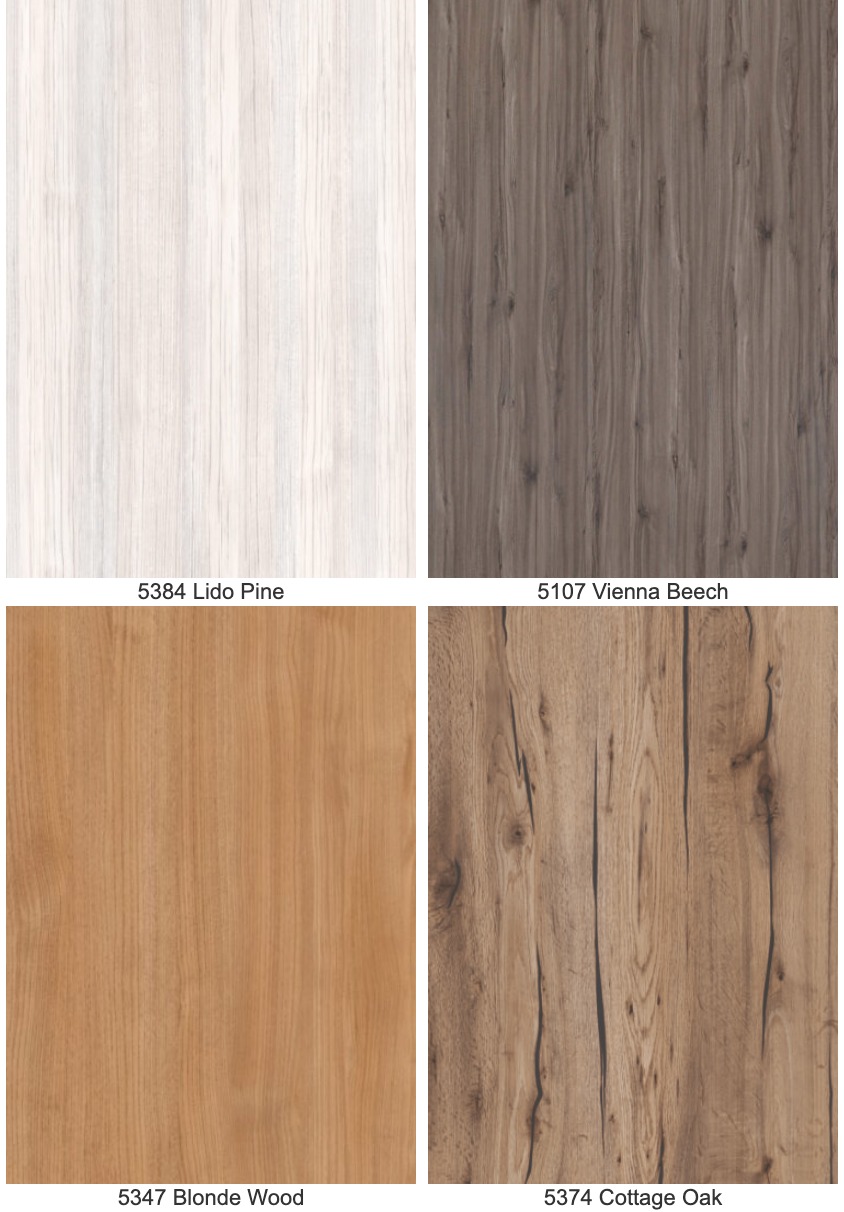
Most edge failures are visual, not structural. Similarly, most of them come from matching the band to a photo instead of the actual board.
- Matching by name — two suppliers both call a decor “grey oak”, yet the greys differ
- Ignoring gloss level — a matte band beside a gloss face reads as a repair
- Forgetting the grain direction — wood grain bands run lengthwise, so vertical edges need care
- Skipping the daylight check — showroom tubelight hides a colour shift that a window reveals
Above all, hold the physical band against the physical board before you buy the roll. If you are surfacing with an HPL laminate sheet, bring that sample too, because the decor must agree across both materials.
Where Edges Fail First in a Humid Flat
Bangladeshi kitchens combine steam, oil and long monsoon humidity. Consequently, failures cluster in predictable spots rather than spreading evenly.
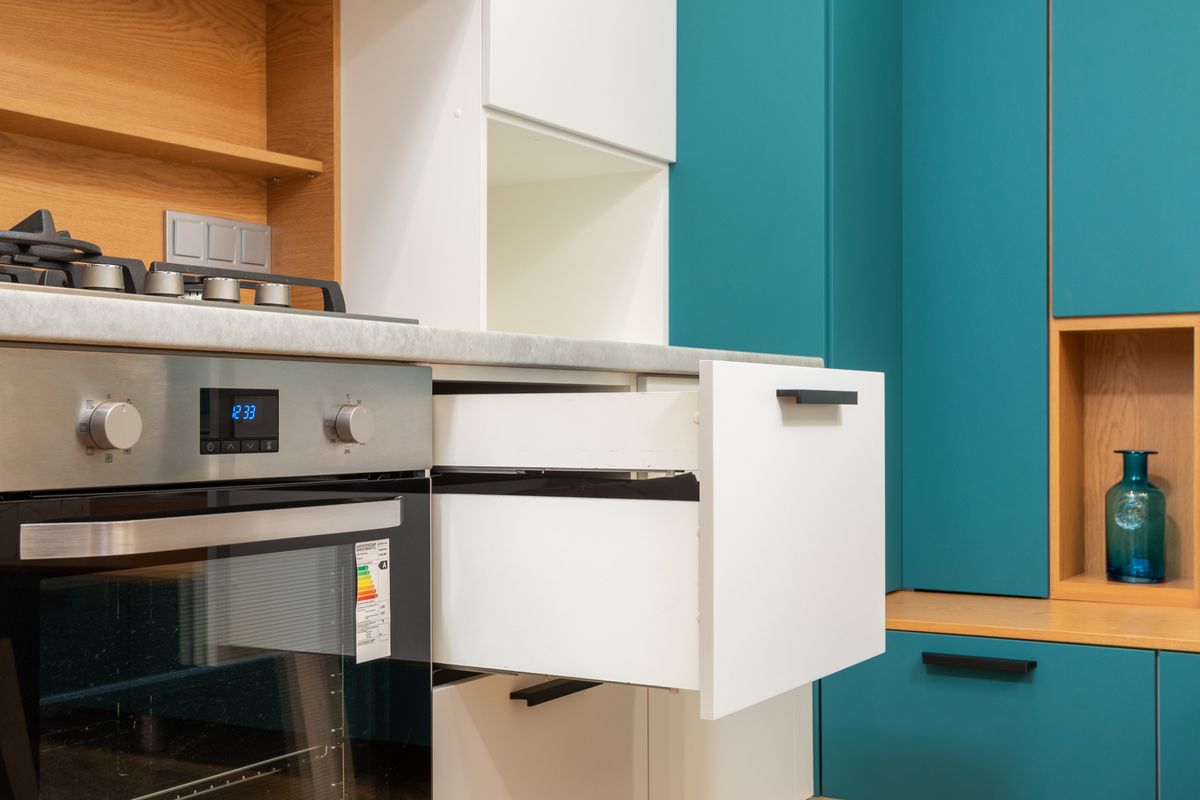
The bottom edge of a sink cabinet fails first, since splashed water sits there for hours. Next comes the shutter directly beside the cooking range, because steam rises and condenses on it. Finally, wardrobe edges near an outside wall suffer during heavy rain.
So treat those three positions as priority zones. Use a thicker band there, and seal the bottom rail properly, even when the rest of the unit gets a standard strip.
Five Checks Before You Buy
- Confirm the board thickness first, then order a band 3–4 mm wider
- Ask for the material by name — PVC, ABS, acrylic or paper, never just “tape”
- Check the roll thickness in millimetres, because sellers often quote only the width
- Hold the sample against your board in daylight, since tubelight lies about colour
- Buy 10% extra, as trimming errors and corner joints eat more than you expect
For a fuller picture of how edges, joints and transitions work together, the Wikipedia entry on edge banding covers the manufacturing side well. Meanwhile, floor-level joints need a different solution, so browse our hardware and trims collection for transition profiles.
See the Finish Before You Commit
Knowing how to choose edge banding takes about ten minutes, yet it decides whether your cabinets look sharp in year five. Therefore, bring your board sample to our Dhaka showroom and compare the real strips side by side.
We stock PVC banding in wood grain, marble and solid colours, and we deliver across Bangladesh by courier. Naturally, our team can also advise on thickness once you describe the unit. Talk to our team about your cabinet project and we will match the decor for you.